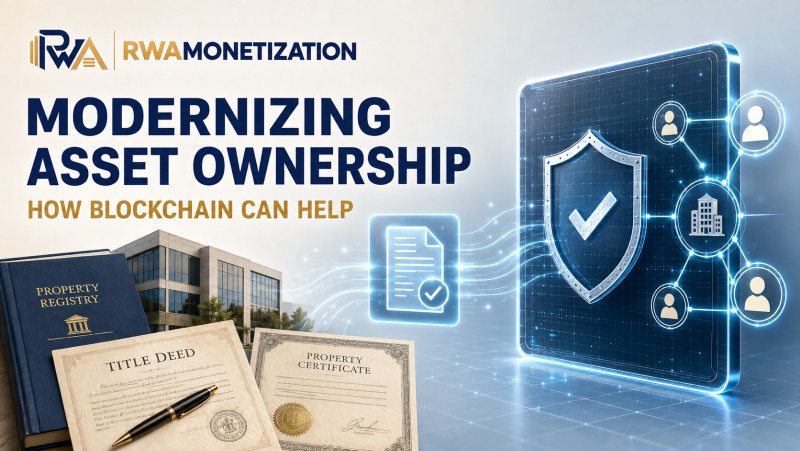
Ownership is more than a database entry
Ownership depends on a recognized system of law, evidence, and enforcement. Registries, contracts, custodians, courts, and regulators can all play a role. A blockchain can support that system, but it does not replace every institution involved.
The strongest case for blockchain is therefore not “code replaces law.” It is that shared programmable records may reduce duplication and allow approved parties to coordinate more efficiently.
Where current systems create friction
Traditional asset transactions often involve separate systems for orders, identity checks, ownership records, payments, custody, and reporting. Participants send messages to one another and later reconcile their records. Differences can create delays, manual work, and operational risk.
A shared ledger may provide participants with synchronized data and rules. The BIS has highlighted the possibility of combining messaging, reconciliation, and transfer in a more integrated process.
Four practical improvements
A shared source of transaction data
Approved participants can refer to a common history instead of maintaining many disconnected versions. Access controls and privacy design remain essential; transparency should not mean exposing confidential financial information to everyone.
Programmable compliance
Transfer rules can check approved conditions, such as identity verification or investor eligibility. Human and legal oversight still matter because real cases include errors, court orders, changing regulations, and exceptional circumstances.
Delivery versus payment
Programmable systems can coordinate the transfer of an asset with payment. Completing both legs together may reduce principal risk and settlement friction.
Automated servicing
Systems may help calculate and distribute payments, process redemptions, or record corporate actions. Automation should include controls for bad inputs, software defects, and disputes.
The offchain problem
For physical or externally recorded assets, the ledger depends on information from outside the blockchain. An “oracle,” servicer, custodian, auditor, or registry may report whether an event occurred. If that information is wrong, an accurately executed smart contract can still produce the wrong real-world outcome.
This is why credible RWA infrastructure requires governance around data quality, authority, correction, and liability.
Modernization, not magic
Blockchain may improve asset ownership systems where multiple parties need a trusted, programmable, and synchronized record. It is not necessary for every database problem, and a centralized system may be simpler in some cases.
The measure of success should be whether the system provides clearer rights, lower operational friction, better resilience, or safer settlement—not whether it uses the most fashionable technology.
Tags: Blockchain, Asset Ownership, Digital Ledger, Atomic Settlement, Smart Contracts, Financial Infrastructure, RWA Technology